
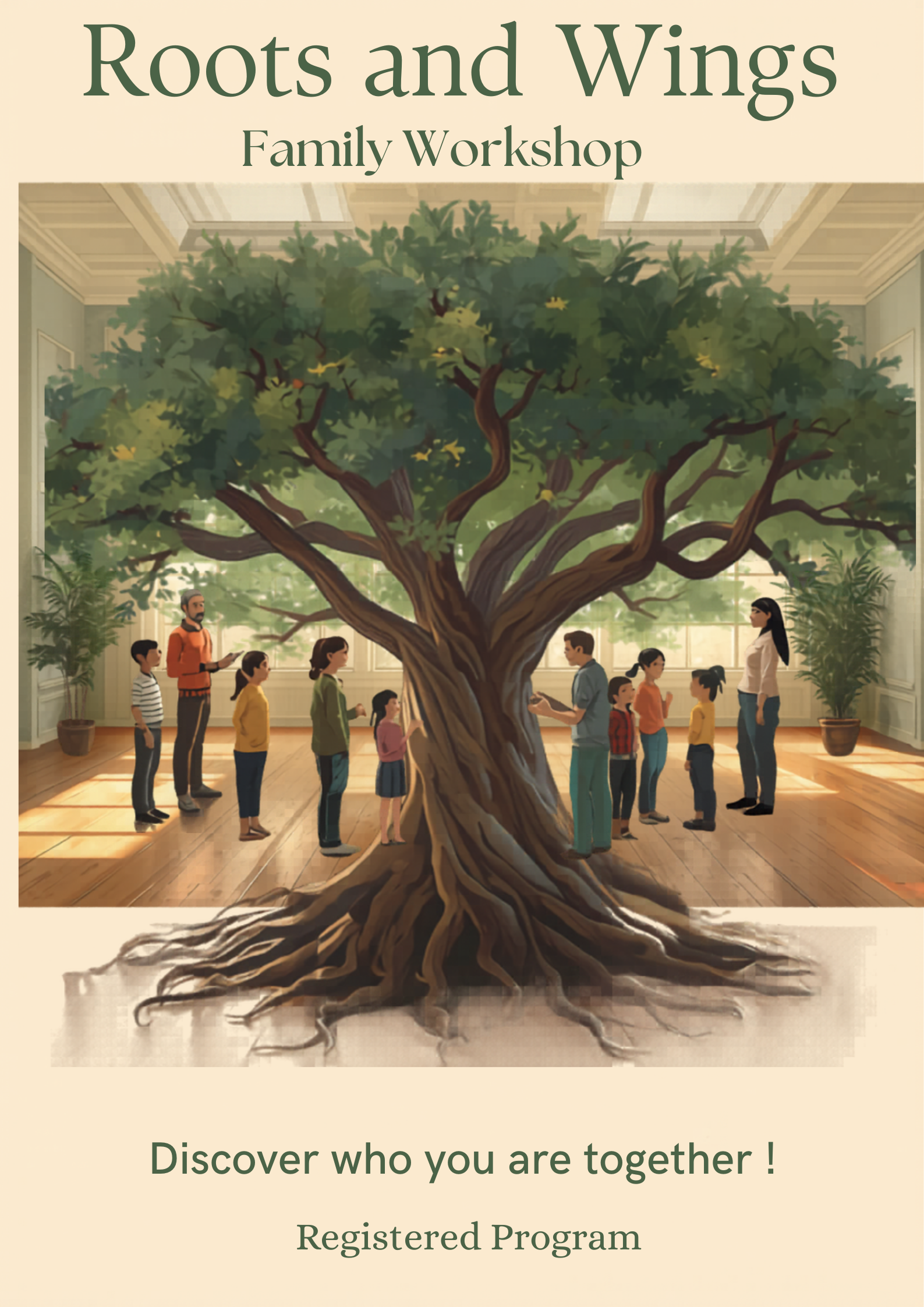
June 27th 9am - 3pm
Beaumont Community Center
Family Identity Workshop: Discovering Who We Are Together
This workshop builds connection by turning identity exploration into a shared family journey—one that strengthens understanding, highlights differences with curiosity, and creates ongoing opportunities for growth.
This interactive workshop invites families to explore personal and shared identities through guided activities, conversation prompts, and creative projects. Designed for families with children ages 6–17, the session encourages mutual understanding, respect, and stronger connections by helping each member express their values, backgrounds, interests, and experiences in a supportive setting.
Goals
Foster open, respectful family communication about identity.
Help each family member articulate aspects of who they are (values, culture, interests, strengths).
Build empathy by sharing stories and perspectives across generations.
Create a tangible family artifact that reflects shared identity and goals.
Outcomes for Families
Improved communication and listening skills within the family.
Greater awareness of how each member’s background and experiences shape family life.
Practical tools for continuing discussions about identity, belonging, and respect.
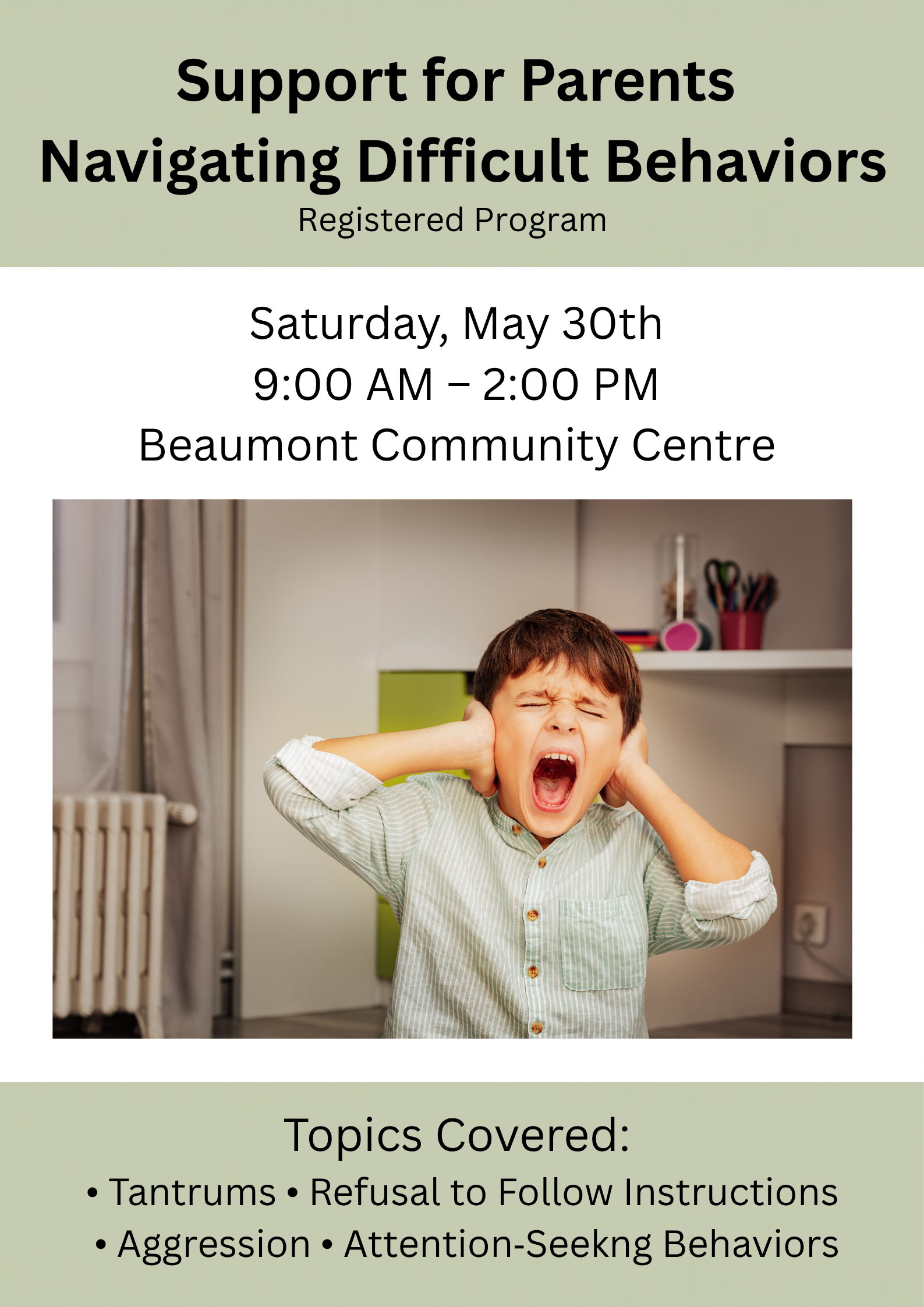

Beaumont Community Center - 9am - 2pm
Challenging Behavior Support Program for Caregivers
Caregiver Workshop: Supporting Children Through Challenging Behavior.
If you’re feeling stuck, exhausted, or unsure how to respond to big feelings and tough moments, you’re not alone.
Join us for a practical, supportive workshop designed to help caregivers build confidence, reduce power struggles, and create calmer days—using strategies you can start right away.
• Understand what challenging behavior is communicating (and what’s driving it)
• Learn simple, effective tools for prevention, redirection, and de-escalation
• Build routines and boundaries that feel firm and caring
• Respond to tantrums, aggression, and defiance with confidence
• Strengthen connection and cooperation—without yelling, shaming, or constant consequences
Recommended ages: caregivers of children ages 3–6; all caregivers welcome
Come as you are. Bring your questions, your real-life scenarios, and a willingness to try something new. You’ll leave with clear next steps, fresh ideas, and encouragement for the work you’re already doing every day.

COMING SOON
Empower your child's mind with our 'Music and Mindfulness ' service, designed to nurture resilience and inner peace. Perfectly tailored for young minds to embrace calm and focus amidst daily life challenges.
Teaches mindfulness techniques to support emotional and mental well-being.
Promotes focus, self-awareness, and stress reduction in children.
Designed for children with engaging, interactive sessions.
Help your child thrive in today's fast-paced world with essential mindfulness skills. Watch as they transform challenges into opportunities and build a foundation for lifelong well-being.

COMING SOON
Weekly Series
Life Skills for Kids Program – Overview
Life Skills for Kids program is designed to help children develop the practical, emotional, and social abilities they need to navigate everyday life with confidence and independence. It blends hands-on activities, guided learning, and real-world practice to prepare kids for both personal and social success.
Key Components
Self-Management Skills – Teaching responsibility, time management, and organization through routines, planners, and goal-setting activities.
Communication & Social Skills – Role-playing conversations, practicing active listening, and learning empathy to build healthy relationships.
Critical Thinking & Problem-Solving – Fun challenges, puzzles, and real-life scenarios that encourage decision-making and creative solutions.
Practical Everyday Skills – Age-appropriate lessons like basic cooking, money handling, personal hygiene, and safety awareness.
Emotional Intelligence – Activities that help kids recognize, express, and manage their emotions in healthy ways.
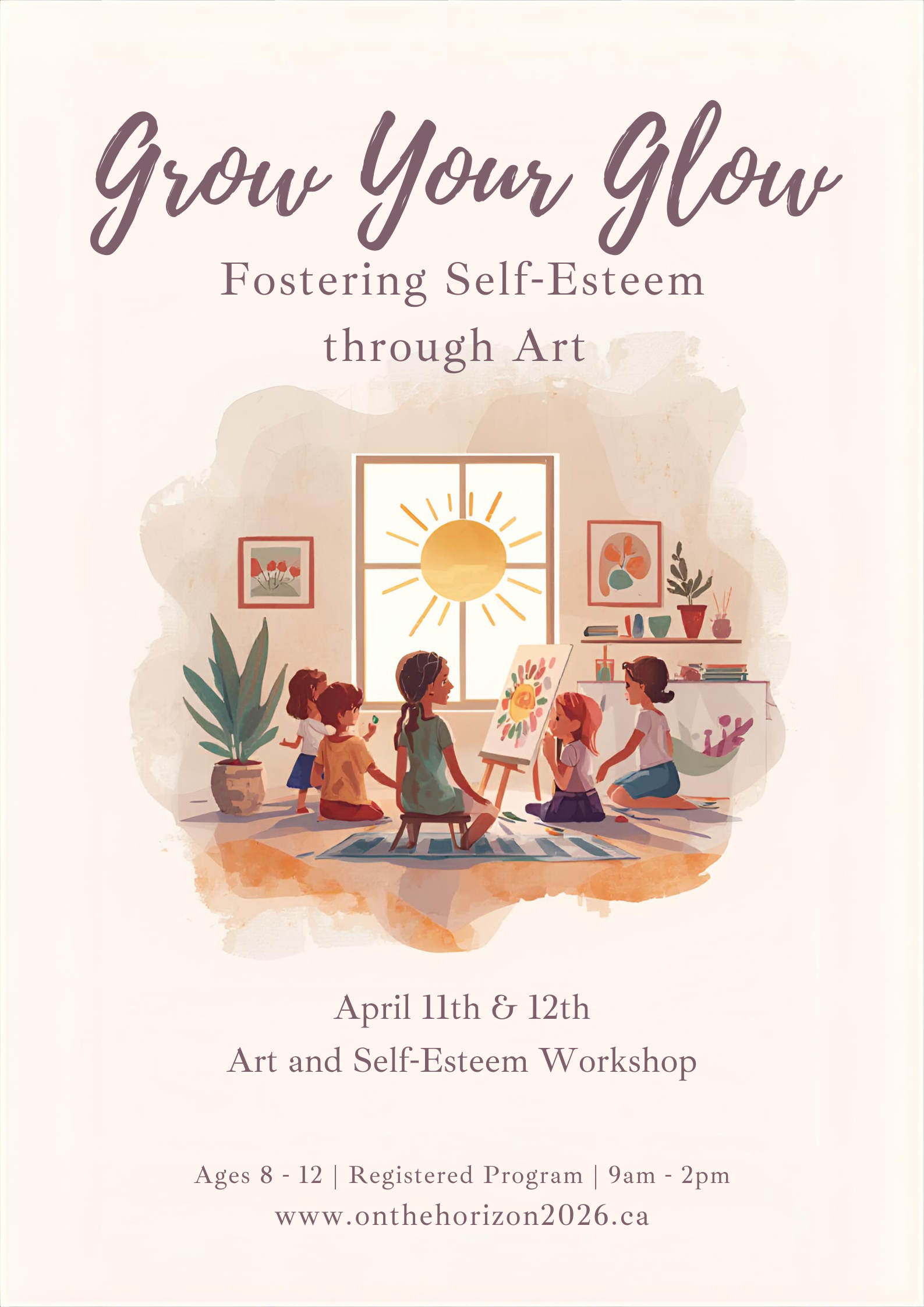
Self-esteem through art is a transformative practice that fosters self-expression, personal growth, and emotional resilience. Whether you pick up a paintbrush, mold clay, or fill the pages of a journal, creative expression can be a profound way to reflect on your strengths, release self-doubt, and cultivate confidence.
This two part workshop explores how self-esteem through art enhances self-worth, deepens personal insight, and builds a sense of inner strength. Through artistic exploration, you can develop confidence, create meaningful connections, and claim your worth unapologetically.

COMING SOON
Bi-weekly Series
Parent support groups are community driven networks designed for individuals navigating the journey of parenthood.
These groups create a safe environment where parents can openly discuss their concerns, seek advice, and
share their triumphs and challenges. They provide healthy parenting skills, an increased sense of empowerment,
and a feeling of belonging. Parenting support groups help parents feel more supported and less alone by
connecting them with others who share similar experiences, challenges, and joys related to raising children.

COMING SOON
Ages 10-12
Promoting self-discovery through guided activities and group reflection.
Exploration of multiple identity dimensions: physical, social, emotional, and interpersonal
Examination of how experiences, culture, personality, and relationships shape identity
Emphasis that, while some traits are shared, each person’s combination of traits is unique
Analysis of how identity informs values and how values influence choices and behavior in relationships (with self, family, friends, and strangers)
Discussion and practical exercises to recognize how identity affects thinking, feeling, and acting in different situations
Consideration of how treatment of others reflects aspects of our identity


Coming Soon
Unlock the power of knowledge with our engaging Technology Workshop for Kids, where young minds explore the pros and cons of technology in today's world.
Interactive hands-on activities for kids to explore technology's impact.
Empowers kids to make informed decisions about technology use.
No results match your search. Try removing a few filters.